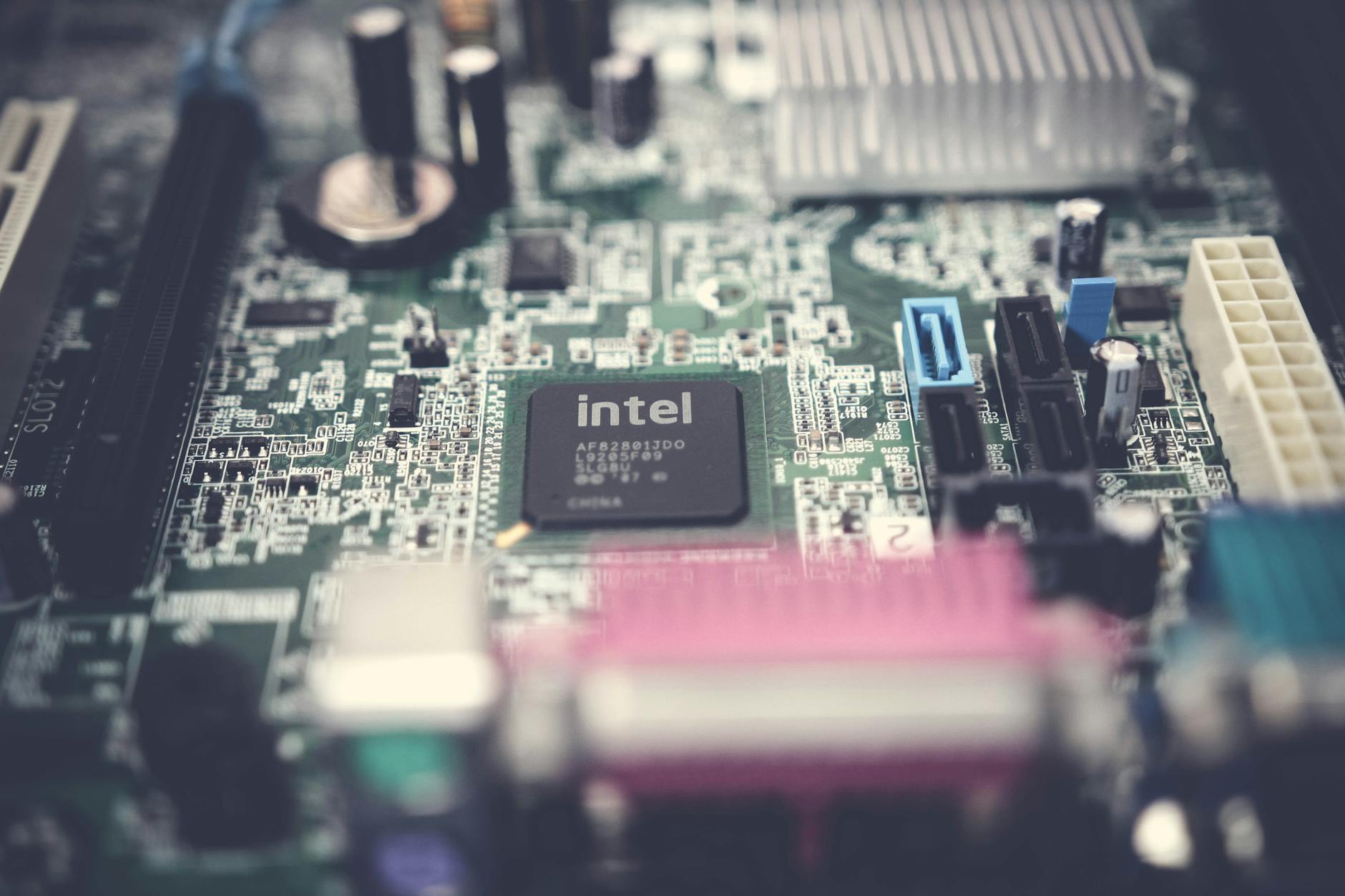
The U.S. government is taking a 10% equity stake in Intel (INTC) by converting previously awarded CHIPS-related funds into ownership—a rare and aggressive form of industrial policy that instantly makes Washington one of Intel’s largest shareholders. Initial reporting pegs the purchase at ~9.9% for $8.9B ($20.47 per share), funded by unpaid CHIPS grants and Secure Enclave program money, with some outlets noting limited voting rights and no board seat. See coverage in Reuters, Washington Post, and Axios.
Why this deal is different
Traditional CHIPS support has been grants and tax credits, not equity. An ownership stake brings political support and a policy backstop, but it also introduces governance questions and the possibility that policy risk becomes a permanent input into semiconductor valuation models. Reporting indicates no board seat for the government and a stated intent to vote with the board in most cases, but the symbolism alone is profound. Reuters frames it as “industrial policy on overdrive.”
What really drives INTC from here: foundry economics
For equity value creation, the cap table matters far less than customers and yields:
- Process roadmap & yields: Intel must execute on 18A → 14A with competitive yields and unit economics. Headlines don’t ship wafers; repeatable process performance does. Reuters analysis stresses that cash alone won’t restore leadership without technical and operational wins.
- External volume for IFS: The foundry pivot works only if Intel Foundry Services secures capacity reservations/design wins that fill domestic fabs. Watch for marquee customer announcements—the single most important catalyst for INTC’s multiple. Reuters.
- Dilution optics: Several accounts note the purchase price (~$20.47/share) and ~9.9% size; investors will model any side terms (e.g., warrants, restrictions) as more details surface.
How it ripples across the sector (NVDA, AMD, TSM, MU)
- Policy premium: Even if officials suggest similar equity stakes aren’t planned for TSMC or Micron, the signal is that Washington will intervene where it sees strategic risk. That can widen the policy risk premium across U.S. semis.
- AI leaders: For Nvidia and AMD, near-term stock action still hinges on accelerator demand, export-license headlines and supply constraints—not Intel’s cap table.
- Foundry competitors: If the U.S. begins to prefer domestic capacity in defense/critical workloads, TSMC’s U.S. fabs and Samsung Texas remain beneficiaries—but Intel’s subsidy-to-equity shift is unique so far.
What to watch next (tradeable catalysts)
- Design-win press releases or LT capacity reservations for IFS (most important).
- Process updates (18A → 14A yields, performance/area/cost disclosures).
- Any copycat structures (or explicit refusals) with other U.S. chipmakers.
Bottom line: A 10% U.S. stake buys Intel time, not process leadership. INTC will trade on yields, customer commitments and pricing far more than on who sits on the cap table. For semis generally, policy risk is now an explicit variable in valuation.
Not investment advice.
Leave a Reply