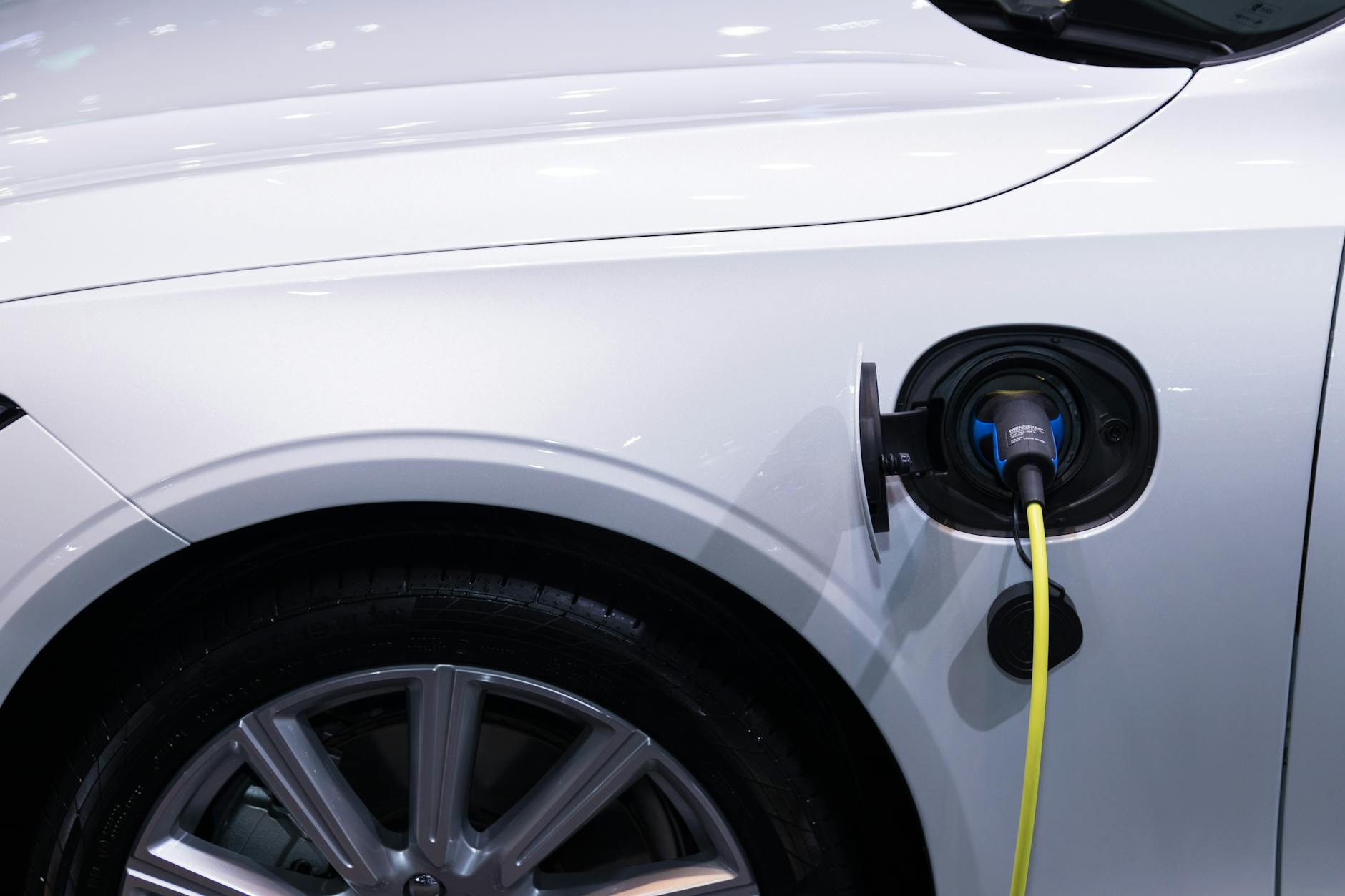
European new-car registrations rebounded in July, with EU volumes up about 7.4% to ~915k according to the industry body’s latest release (ACEA). Beneath the headline, the mix keeps tilting away from pure ICE: battery-electric, hybrid and plug-in hybrid together made up ~60% of registrations, a step up from last year’s ~51% (Investing.com summary). Regionally, Germany led while France, Italy and the UK lagged, leaving the YTD tally slightly negative versus 2024 even as July itself improved (ACEA).
The Chinese threat moved from theoretical to tangible
The standout: BYD is now ahead of Tesla in EU market share for July. BYD’s sales surged ~225% YoY to ~13.5k units, lifting share to ~1.2%, while Tesla fell ~40% to ~8.8k units (share ~0.8%), on ACEA’s July cut reported across Europe (Reuters, Guardian live). It’s not a one-month fluke: Chinese brands’ combined EU share nearly doubled to ~5.1% in H1, already nipping at Mercedes-Benz’s level (Reuters mid-year).
Policy isn’t stopping the advance—just reshaping it. The EU’s countervailing duties on China-built EVs (manufacturer-specific, up to the ~45% area in some cases) are in force, and BYD’s own rate is ~27%; the company is simultaneously localizing via its Hungary plant to sell tariff-free once production starts (EU tariff explainer; Hungary plant update). Even with a near-term ramp delay, the trajectory is clear: design for Europe, build in Europe, price to win share.
Tesla’s European slide looks structural, not seasonal
July’s ~40% EU decline is part of a multi-month downtrend for Tesla despite a Model Y refresh and discounting in select markets (regional roundup). In Germany, Tesla registrations more than halved in July (-55% YoY to ~1.1k), even as BEV demand overall jumped (+58% YoY), while BYD rose nearly fivefold there (Germany detail). Analysts and press also point to brand and policy headwinds—from Elon Musk’s political controversies to tighter national incentive schemes—that complicate Tesla’s EU retail funnel (context).
From a product angle, Chinese lineups iterate quickly (price points, body styles, in-car tech), while Tesla’s European range is aging with slower cadence in compact segments where Europe over-indexes. If BYD and peers combine EU assembly (tariff-proof), aggressive pricing, and dealer/after-sales build-out, the volume corridor most exposed will be €25k–€35k small SUVs/hatchbacks—where legacy EU brands are still ramping and Tesla lacks a fresh entry.
What it means for Europe’s incumbents
The July mix offers breathing room to major European groups but also a warning. Volkswagen and Renault posted solid months, while Stellantis lagged (monthly snapshot). The strategic to-do list is unchanged but more urgent:
- Local-for-local cost: reach China-like BOM with EU supply chains (batteries, motors, electronics) and scale €25k–€30k BEVs that clear margin hurdles even if subsidies fade.
- Distribution: expand agency/direct hybrids for price transparency and push OTA-ready software to avoid margin-killing hardware promos.
- Tariff hedges: accelerate Eastern/Central Europe tooling (including JVs) to re-shore price-sensitive models before Chinese plants on EU soil go live.
Investor read-through
- Chinese brands: Expect share creep in 2H as localization improves—even with tariffs still in place. Watch BYD order banks in DACH/France and any Hungary plant milestones that firm a 2026 mass-production date (plant update).
- Tesla: Europe likely stays a drag near-term unless a new lower-priced model or meaningful feature refresh lands; country-level data (KBA, PFA, ANFIA) will be the early tell each month (Germany KBA read-through).
- EU incumbents: July shows defense can work—but only with cost discipline and model cadence in the €25k–€35k bracket. Upside names are those with battery JV progress and export optionality if EU demand softens.
Bottom line: July’s rebound masks a deeper shift: Chinese makers—led by BYD—are now visibly out-running Tesla in Europe, and they’re setting up to neutralize tariffs with local production. For investors, the battleground is mass-market BEV where price, supply-chain localization and dealership reach decide share—long before software subscriptions do.
Not investment advice.
Leave a Reply